Have you ever heard the term “embalming” in a conversation, on TV, or in news articles, and wondered what it really means? It might sound confusing or even a little unsettling if you’re not familiar with the process.
This guide explains what embalming is, why it’s done, the typical methods, its history, legal aspects, common misconceptions, and FAQs. By the end, you’ll fully understand the purpose and process of embalming.
Quick Answer:
Embalming is the process of preserving a dead body to delay decomposition. It’s a professional, respectful, and hygienic practice used for funerals, medical study, or cultural traditions.
🧠 What Does Embalming Mean?
Embalming is a procedure performed on a deceased body to temporarily preserve it. The main goal is to slow down natural decomposition and maintain a lifelike appearance for funerals, transportation, or study.
Example in a sentence:
“The funeral home embalmed the body to allow family members to pay their respects.”
In short:
Embalming = Preserving a dead body = Delaying decomposition for funeral, study, or transportation purposes.
It’s not a ritual in itself, but a scientific and cultural practice that has been used for centuries.
🌍 History and Origin of Embalming
- Ancient Egypt: Embalming (mummification) was a sacred practice to prepare bodies for the afterlife.
- Europe (16th–19th centuries): Became more common in burial practices, especially for public figures.
- Modern Era: Embalming techniques were standardized in the 19th century in North America, especially during the Civil War to transport soldiers’ bodies home.
Cultural Note: Embalming methods have evolved from ritualistic mummification to scientific preservation in modern funeral homes.
📱 How Embalming Is Done
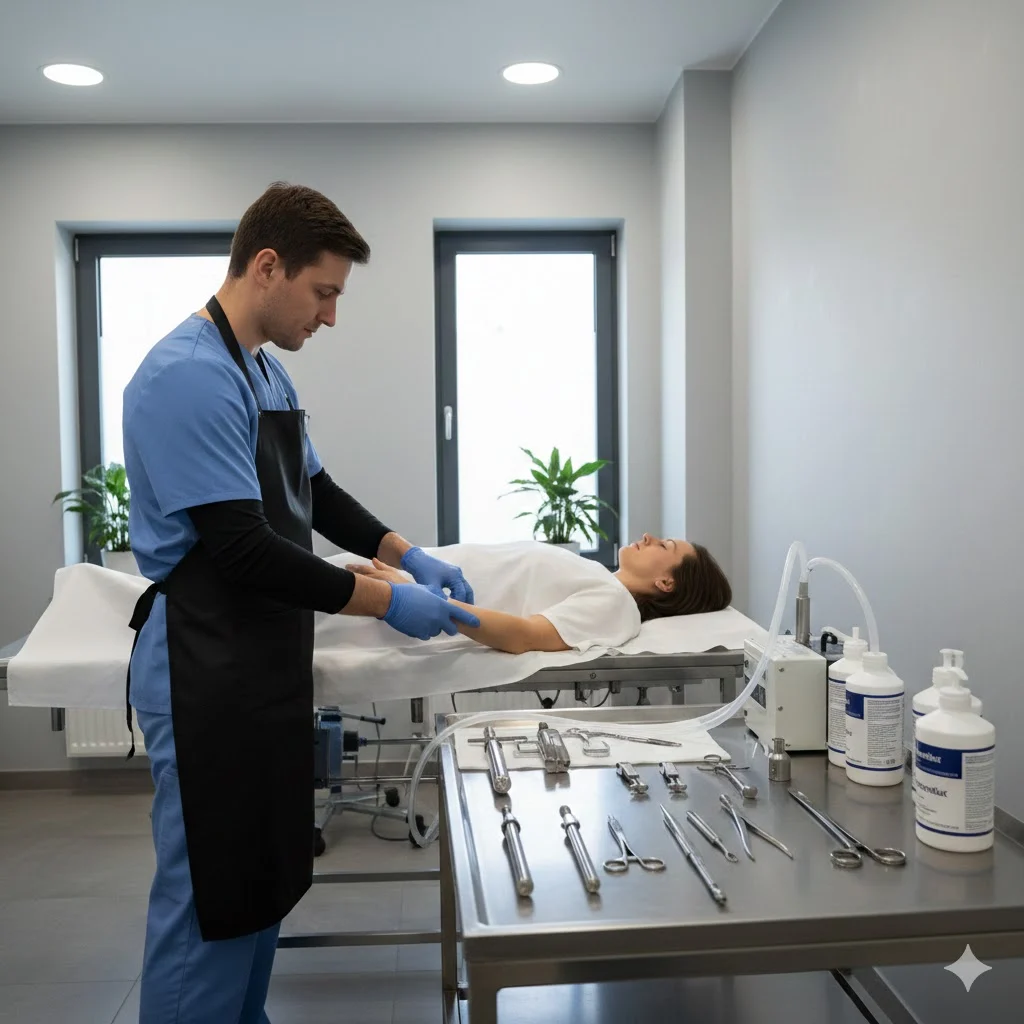
Common Steps:
- Cleaning the body – Washing and disinfecting to prevent decay.
- Arterial injection – Chemicals like formaldehyde are injected to preserve tissues.
- Cavity treatment – Fluids remove and disinfect internal organs.
- Cosmetic work – Makeup, hair styling, and dressing for a natural appearance.
- Storage – Body kept in a cooled environment until the funeral.
Embalming is a skilled professional procedure, often performed by licensed funeral directors or morticians.
🌟 Purpose of Embalming
- Allows family and friends to hold viewings or wakes.
- Preserves bodies for transport across long distances.
- Used for medical study and research.
- Delays decomposition for legal or forensic purposes.
- Maintains hygiene and safety in public or open-casket events.
Misconceptions:
- Embalming does not make the body immortal.
- Not every death requires embalming; it depends on cultural, legal, and family preferences.
📊 Comparison Table: Embalming vs. Non-Embalming
| Aspect | Embalmed Body | Non-Embalmed Body |
|---|---|---|
| Preservation | Delayed decomposition | Natural decay begins immediately |
| Appearance | Lifelike, presentable | Natural post-death changes visible |
| Funeral Viewing | Possible | Limited time for viewing |
| Hygiene | Safer for public handling | Risk of odor and bacteria |
| Transportation | Easier long-distance | Must be quick and carefully managed |
🔄 Related Terms or Alternatives
| Term | Meaning | When to Use |
|---|---|---|
| Mummification | Ancient preservation with ritual | Historical or cultural context |
| Cryonics | Freezing body for future revival | Science or futuristic context |
| Funeral Preparation | General body care before burial | Standard mortuary practice |
| Cremation | Burning the body | Alternative to burial |
| Anatomical Donation | Body for medical study | Research purposes |
🙋♂️ FAQs About Embalming
1. Is embalming required by law?
No. Laws vary by region. Some countries require embalming for transport of bodies over long distances.
2. Does embalming hurt the body?
No. Embalming is performed after death, so the person does not feel anything.
3. How long does embalming preserve a body?
Typically several days to a few weeks, depending on chemicals, temperature, and storage.
4. Is embalming expensive?
Costs vary, but it is usually part of funeral home services.
5. Is embalming religiously approved?
Some religions approve it, others prefer natural burial; it depends on beliefs and traditions.
6. Can embalmed bodies be cremated?
Yes, embalmed bodies can be cremated, though some families choose longer viewings before cremation.
7. What chemicals are used?
Formaldehyde, methanol, and other disinfecting and preserving chemicals are commonly used.
📝 Mini Quiz – Test Your Knowledge
1. What does embalming mean?
a) Preserving a dead body ✅
b) Preparing a living person
c) Burial ritual
2. What is the main purpose of embalming?
a) Preserve the body ✅
b) Cure diseases
c) Make a person immortal
3. Which ancient civilization is famous for embalming?
a) Egypt ✅
b) Greece
c) Rome
4. Does embalming hurt the deceased?
a) Yes
b) No ✅
5. Can embalmed bodies be cremated?
a) No
b) Yes ✅
📝 Conclusion
Embalming is a scientific and respectful process that preserves a deceased body for funerals, medical study, or long-distance transportation. While it may seem intimidating at first, understanding the procedure, purpose, and cultural significance shows why it has been a trusted practice for centuries. Whether for education, family traditions, or hygiene, embalming remains an important part of modern mortuary practices.