Scrolling through your messages, you suddenly see someone text “DW”. You pause — “Wait, what does DW mean?” Is it a question, a command, or some weird new slang? Don’t worry, you’re not alone — nearly everyone has had that same moment of confusion.
Quick Answer:
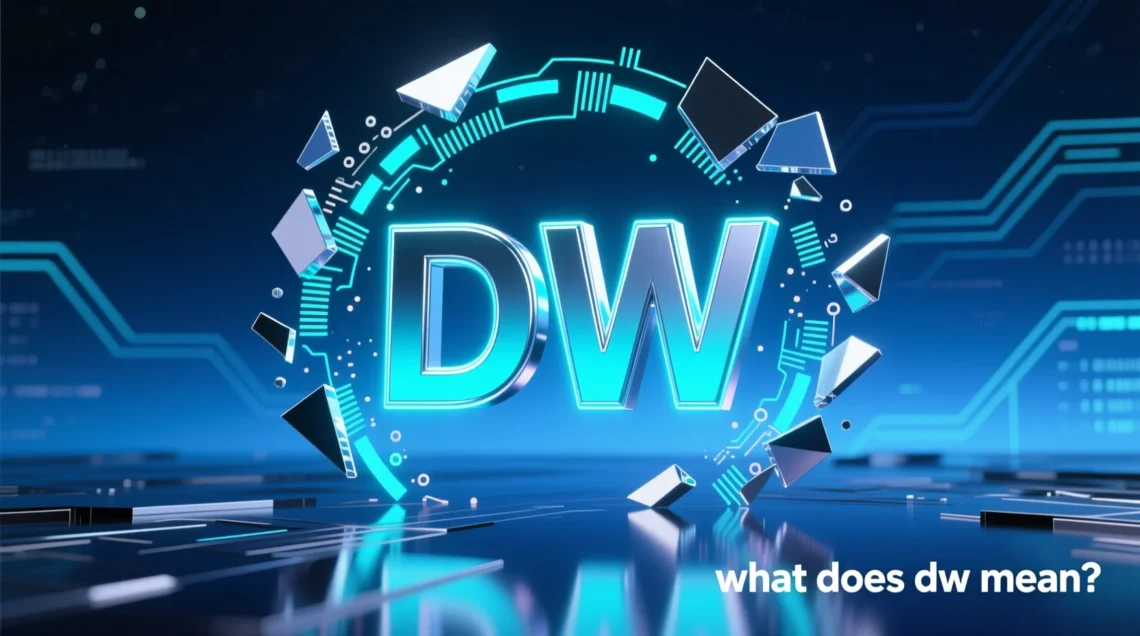
DW stands for “Don’t Worry.” It’s a friendly, casual, and reassuring way to tell someone that everything is fine or they shouldn’t stress.
Whether it’s in a casual chat with friends, a group conversation on Snapchat, or a quick Discord reply, DW is one of those short slangs that saves time while keeping the tone light.
🧠 What Does DW Mean in Text?
DW is short for “Don’t Worry.” It’s a simple, reassuring way to let someone know they don’t need to stress, apologize, or overthink a situation.
Think of it as the texting equivalent of saying, “It’s all good” or “No problem.”
Example:
A: Sorry I’m late 😅
B: dw, no worries!
In short:
👉 DW = Don’t Worry = A friendly way to reassure someone.
It’s casual, polite, and perfect for easing tension in any conversation.
🗓️ Origin & Evolution of DW
The abbreviation DW has been around since the early days of texting and online chatting. Like many short slangs, it emerged to save typing time while keeping messages light and friendly.
DW became especially popular on messaging platforms like WhatsApp, Messenger, Snapchat, and Discord. Today, it’s still widely used in casual texting and online communities.
It’s one of those abbreviations that’s easy to remember, versatile, and universally understood.
📱 Where Is DW Commonly Used?
DW shows up everywhere online, especially where casual chats happen.
- 💬 Text messages – to reassure friends.
- 📸 Snapchat – wrapping up a conversation without stress.
- 🎮 Gaming chats – letting teammates know it’s fine.
- 🧵 Discord / group chats – calming down a tense moment.
- 💻 Instagram DMs / TikTok comments – quick, friendly reply.
Tone & Usage Level:
| Tone | Level |
|---|---|
| 😄 Friendly | ✅ Yes |
| 🧊 Formal | ❌ No |
| 💞 Flirty | ✅ Sometimes |
| 😎 Casual | ✅ Absolutely |
DW is casual and friendly, not appropriate for professional or formal situations.
💬 Examples of DW in Conversation
Here’s how people naturally use DW in texting and online chats:
A: sorry i messed up 😅
B: dw, it’s fine!
A: i can’t make it today 😬
B: dw, we’ll catch up later
A: i accidentally deleted the file 😱
B: dw, i have a backup
A: i’m late to the party 😭
B: dw, we haven’t started yet
A: i don’t think i can finish in time 😬
B: dw, take your time
A: my phone died 😅
B: dw, happens to everyone
A: didn’t get your message 😬
B: dw, no rush
Notice how DW is short, friendly, and instantly reassuring — no long explanations needed.
🕓 When to Use and When Not to Use DW
DW is handy, but knowing when to use it is key.
✅ When to Use “DW”
- Reassuring a friend or loved one.
- Ending a minor misunderstanding.
- Responding casually in texts or group chats.
- Keeping a conversation friendly and stress-free.
❌ When Not to Use “DW”
- In formal or professional messages.
- In serious or emotional discussions.
- With clients, teachers, or bosses.
- When the situation actually requires more attention.
🧾 Comparison Table
| Context | Example Phrase | Why It Works |
|---|---|---|
| 👯♀️ Friend Chat | “dw, no problem 😄” | Friendly and casual |
| 💬 Work Chat | “No worries, I’ll handle it.” | Professional & polite |
| 🎮 Gaming Chat | “dw, we can try again” | Casual & supportive |
| ❤️ Text with Crush | “dw 😉” | Light and playful |
| “I’ll take care of it” | Formal & clear |
🔄 Similar Slang Words or Alternatives
Here are some alternatives to DW that carry a similar tone:
| Slang | Meaning | When to Use |
|---|---|---|
| NP | No Problem | Casual reassurance |
| It’s OK / It’s fine | Everything is fine | Neutral, polite |
| SMH | Shaking My Head | Often humorous, mild correction |
| LOL | Laughing Out Loud | Lighthearted response |
| No Worries | Don’t worry | Friendly and casual |
| All Good | Everything’s fine | Relaxed reassurance |
💡 Tone Variations: Is DW Friendly or Flirty?
Like many slangs, DW’s tone depends on context:
| Situation | Tone | Example |
|---|---|---|
| Chatting with a friend | Friendly | “dw, it’s fine 😄” |
| Texting your crush | Flirty | “dw 😉” |
| Group chat | Neutral | “dw guys, all good” |
| Work chat | Too casual | Avoid using DW |
Emojis help signal tone — 😊 is friendly, 😉 can hint at playfulness.
❓ 7 FAQs About DW
1. What does DW mean in texting?
DW means “Don’t Worry.” It’s a short, friendly way to reassure someone.
2. Is DW rude or polite?
It’s polite and friendly, showing you don’t mind and things are okay.
3. Can I use DW with my crush?
Yes! DW can be flirty depending on emojis or context.
4. Is DW still used in 2025?
Absolutely. DW remains a common abbreviation across texts and social apps.
5. DW vs NP — what’s the difference?
- DW: “Don’t Worry” — reassurance-focused.
- NP: “No Problem” — more casual and solution-focused.
6. Can DW be used in professional chats?
No. Stick to fully spelled phrases like “Don’t worry” or “No problem” for formal contexts.
7. What’s the origin of DW?
It comes from early SMS and online chats, designed to shorten phrases while keeping friendly tone.
🏁 Conclusion
Next time you see DW in a chat, you’ll know exactly what it means — someone is telling you “Don’t Worry!” It’s short, friendly, and perfect for casual texting.
In one line:
👉 DW = Don’t Worry = Friendly reassurance for casual chats.
Use it wisely, pair it with emojis if needed, and you’ll sound confident and natural in every conversation.