Buying a car can be confusing, especially when you see labels like “Certified Pre-Owned” (CPO). Whether you’re a first-time buyer or looking to upgrade, understanding what certified pre-owned means can save you money and stress.
In this article, we’ll break down the definition, explain how CPO cars differ from regular used cars, explore benefits, and provide tips to make a smart purchase. By the end, you’ll know exactly what you’re getting when you see the CPO badge.
Definition & Meaning of Certified Pre-Owned
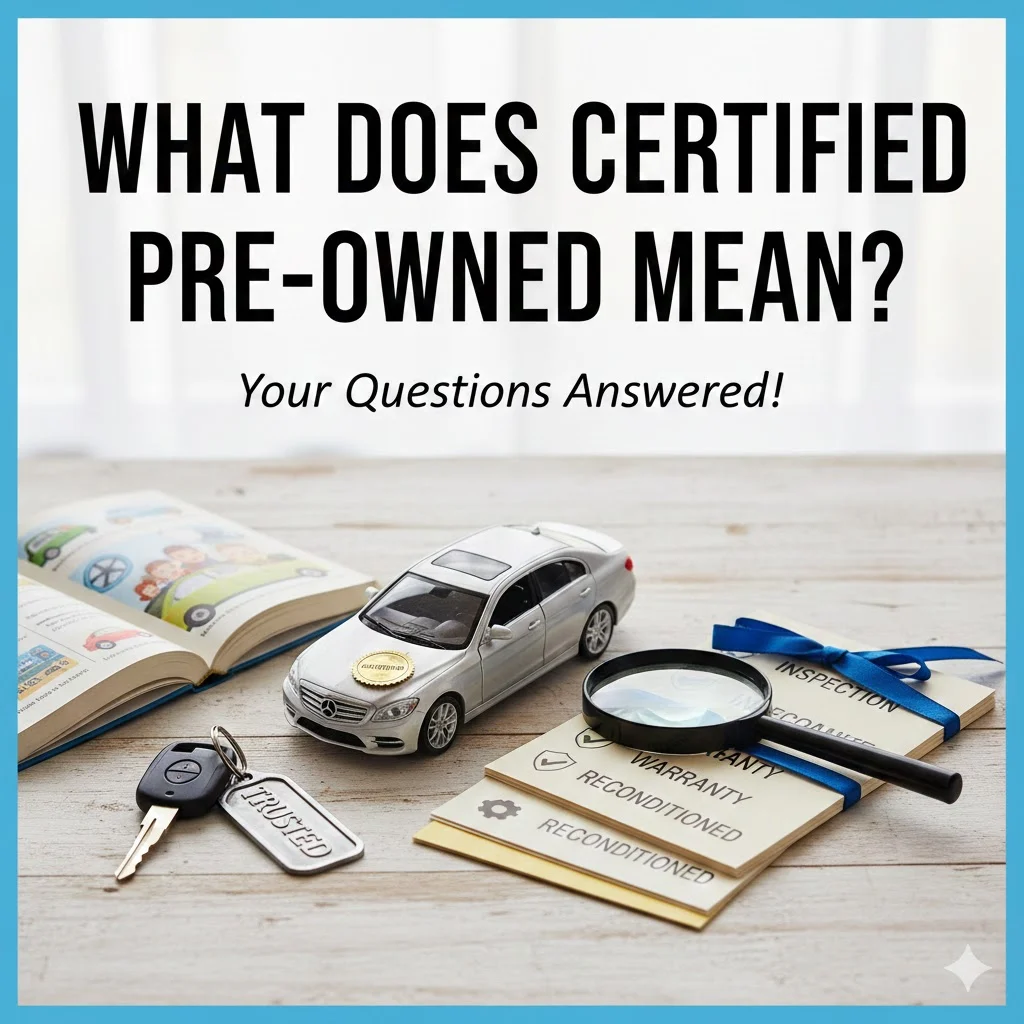
Certified Pre-Owned (CPO) refers to a used car that has undergone inspection and meets the manufacturer’s quality standards. Unlike a standard used car, a CPO vehicle often comes with additional perks:
Key Features:
- Manufacturer Inspection: Comprehensive check of engine, transmission, brakes, and electronics.
- Extended Warranty: Extra coverage compared to standard used cars.
- Vehicle History Report: Confirmed maintenance and accident-free record.
Example:
“I bought a 2019 Honda Civic CPO. It passed a 150-point inspection and comes with a 12-month warranty.”
Key Points:
- CPO cars are more reliable than standard used cars.
- They cost more than typical used cars but less than new models.
Background & History of Certified Pre-Owned
The CPO program started in the 1990s as a way for automakers to sell used cars with confidence. Initially limited to luxury brands, today most major manufacturers—Toyota, Honda, BMW, and Ford—offer certified programs.
Evolution & Benefits:
- Builds trust for buyers wary of used cars.
- Reduces risk of unexpected repairs.
- Enhances resale value if you sell later.
CPO programs vary by brand, so always check the manufacturer’s criteria before buying.
Usage in Different Contexts
Certified pre-owned is used in:
Dealerships & Online Listings:
- Highlighted in ads to attract buyers looking for quality and reliability.
Car Reviews:
- Journalists and bloggers often compare CPO vs used cars for performance and value.
Casual Conversations:
- Example:
“I’m thinking about a certified pre-owned Toyota Camry—it’s cheaper than new but still reliable.”
Comparison Table:
| Type | Price | Warranty | Inspection | Risk Level |
|---|---|---|---|---|
| Used Car | Low | Limited | Varies | Higher |
| Certified Pre-Owned | Medium | Extended | Rigorous | Lower |
| New Car | High | Full | N/A | Lowest |
Benefits of Certified Pre-Owned
- Peace of Mind: CPO cars are inspected and approved by the manufacturer.
- Warranty Protection: Extra coverage beyond standard used cars.
- Lower Depreciation: Less loss in value compared to brand-new cars.
- Roadside Assistance: Many programs include perks like free towing or 24/7 help.
Professional Advice for Buyers
- Research: Check the manufacturer’s CPO program requirements.
- Test Drive: Always drive the car to ensure it meets expectations.
- Vehicle History: Review reports for accidents or major repairs.
- Budget Consideration: Factor in CPO premiums versus standard used cars.
Hidden or Risky Considerations
While CPO is generally reliable, some points to note:
- Price Premium: Slightly higher than regular used cars.
- Limited Availability: Specific models or trims may be rare.
- Brand-Specific Programs: Warranties and inspection standards vary.
Example:
“The BMW CPO program covers up to 6 years, but smaller brands may offer only 1-year coverage.”
Usage in Online Listings & Car Marketplaces
- Platforms: Cars.com, Autotrader, and dealership websites.
- Tips: Look for the CPO badge, warranty info, and inspection details.
- Dialogue Example:
Buyer: “Is this car certified pre-owned?”
Dealer: “Yes, it passed our 160-point inspection and comes with a 2-year warranty.”
Comparison with Used and New Cars
| Feature | Used Car | Certified Pre-Owned | New Car |
|---|---|---|---|
| Inspection | Optional | Required | N/A |
| Warranty | Limited | Extended | Full |
| Price | Low | Medium | High |
| Depreciation | High | Medium | Low |
| Risk | Higher | Lower | Lowest |
10 Tips for Buying Certified Pre-Owned
- Verify manufacturer certification.
- Check warranty coverage and expiration.
- Inspect the car in person.
- Test drive every feature.
- Review the vehicle history report.
- Compare prices with similar used cars.
- Ask about return or exchange policies.
- Negotiate based on condition and market value.
- Consider additional perks like roadside assistance.
- Buy from reputable dealerships.
How to Respond to CPO Questions
Casual:
- “Yeah, it’s certified pre-owned—passed a full inspection.”
Professional:
- “The vehicle is certified pre-owned, inspected by the manufacturer, and includes extended warranty coverage.”
Budget-Focused:
- “It’s a CPO car, so it’s a bit pricier than standard used but still cheaper than new.”
Regional & Cultural Differences
- US & Canada: Most CPO programs follow strict manufacturer guidelines.
- Europe: “Approved used” is often the local term, similar to CPO.
- Asia & Australia: Programs exist but can differ in warranty length and inspection standards.
Example:
“Toyota CPO in the US covers 7 years, while in Australia it’s 5 years.”
FAQs
Q1: Is certified pre-owned the same as used?
A: Not exactly—CPO cars are inspected, approved, and usually come with extended warranties.
Q2: Why is CPO more expensive than a used car?
A: Because of inspection, certification, and extra warranty coverage.
Q3: Can I get financing for a CPO car?
A: Yes, many dealerships offer financing options similar to new cars.
Q4: How do I verify a car is truly certified?
A: Check the manufacturer’s CPO program and request documentation from the dealer.
Q5: Are all brands reliable in CPO programs?
A: Standards vary, so research each brand’s specific program.
Conclusion
Understanding what certified pre-owned means ensures you make a smart and safe car purchase. CPO cars provide the reliability of a new vehicle with the affordability of a used car, offering peace of mind through manufacturer inspections and extended warranties. Always research the program, review the vehicle’s history, and test drive before buying. By doing so, you can enjoy the best of both worlds: value, quality, and confidence in your next car. Whether you’re buying online or at a dealership, knowing the CPO details makes all the difference.