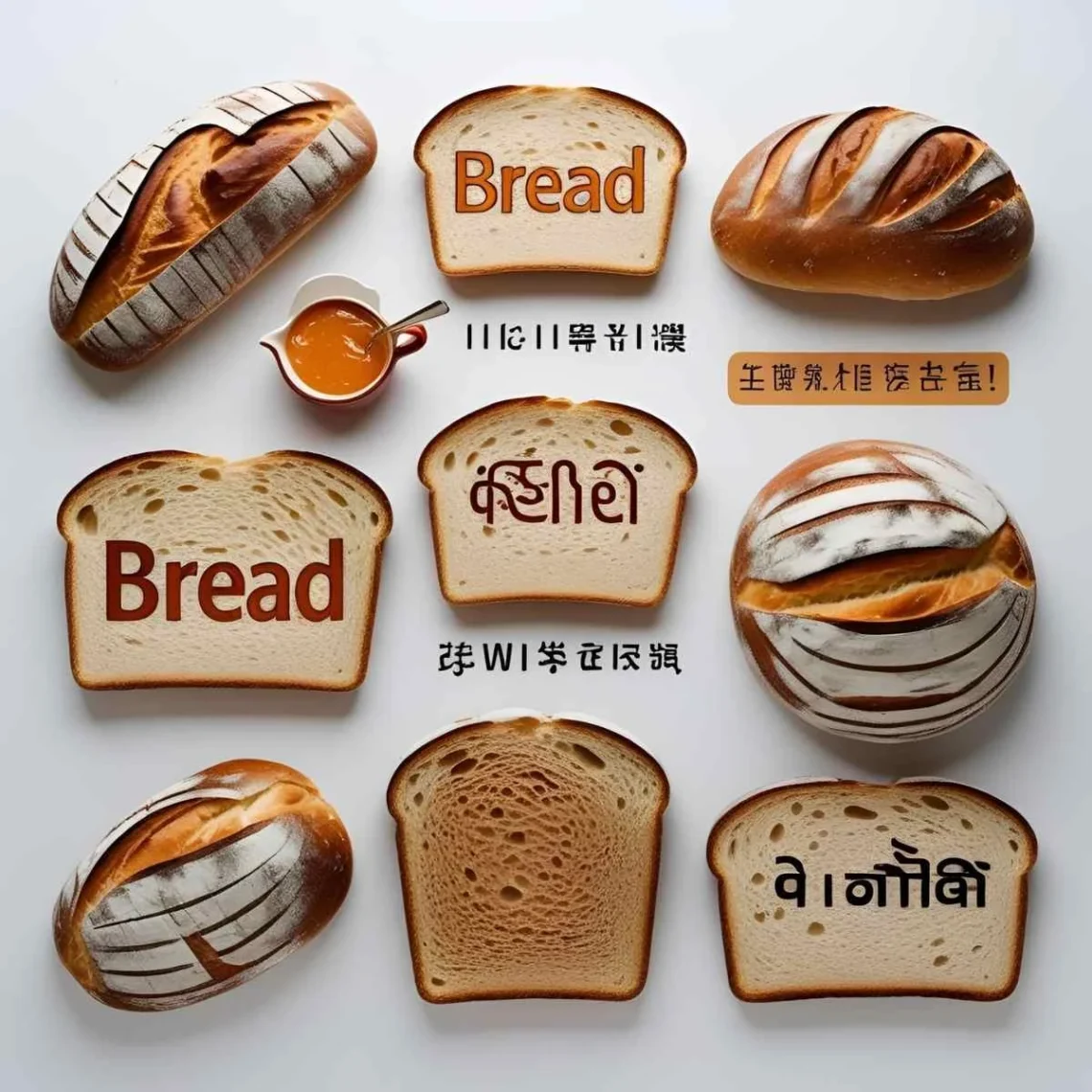
Picture breaking a warm, crusty loaf at a family gathering in Rome, the word “pane” spoken with reverence as it’s shared. That simple staple, “bread,” carries a universal warmth, connecting people across cultures.
Whether it’s “naan” sizzling on an Indian tandoor or “ugali” steaming in a Kenyan kitchen, the term for “bread” reflects humanity’s shared reliance on this humble food, shaped by unique traditions.
Let’s embark on a global journey to explore how people name “bread” in different languages and what these words reveal about their cultures.
Reference Table: “Bread” in Different Languages
| Language | Word/Phrase | Cultural/Linguistic Insight |
|---|---|---|
| French | Pain | Pronounced “pan,” it’s a daily staple, often a baguette. |
| Spanish | Pan | A versatile term, used for everything from rolls to flatbreads. |
| Italian | Pane | Symbolizes family and sharing, central to Italian meals. |
| German | Brot | Reflects Germany’s diverse bread culture, from rye to pretzels. |
| Mandarin | Miànbāo (面包) | Means “flour package,” referring to leavened bread. |
| Hindi | Roti | Refers to unleavened flatbread, a staple in Indian homes. |
| Japanese | Pan (パン) | Borrowed from Portuguese, used for Western-style bread. |
| Korean | Ppang (빵) | Derived from French “pain,” used for modern baked goods. |
| Arabic | Khubz (خبز) | A flatbread staple across 20+ countries, shared at meals. |
| Swahili | Mkate | Refers to various breads, central to East African diets. |
| Zulu | Isinkwa | A term for leavened bread, often tied to communal meals. |
| Yoruba | Búrẹ́dí | Borrowed from English, used for modern bread in Nigeria. |
| Maori | Parāoa | Refers to bread, often linked to communal feasts in New Zealand. |
| Hawaiian | Kika | Used for modern bread, distinct from traditional poi. |
| Cherokee | Gv-na | Refers to corn-based bread, tied to Native American traditions. |
European Languages: Bread as a Cultural Cornerstone
European languages name “bread” with terms that reflect its centrality to life. For instance, in French, “pain” (pronounced “pan”) is synonymous with daily sustenance, with baguettes gracing every table. Meanwhile, Spanish uses “pan,” a versatile word covering everything from crusty rolls to Mexican bolillos, often shared in lively gatherings. Additionally, Italian’s “pane” carries deep cultural weight, symbolizing family and communion, especially when broken at dinner. In German, “Brot” encompasses a vast array of breads, from dense rye to soft pretzels, reflecting Germany’s renowned baking tradition. Thus, these terms highlight Europe’s love for bread as both nourishment and tradition, from France’s elegant loaves to Germany’s hearty varieties.
Asian Languages: Diverse Staples of Sustenance
Asia’s linguistic diversity shapes unique terms for “bread,” reflecting varied culinary traditions. For example, in Mandarin, “miànbāo” (flour package) refers to leavened bread, distinct from traditional steamed buns, popular in urban China. In Hindi, “roti” denotes unleavened flatbread, a daily staple cooked on tawa pans in Indian homes. Similarly, Japanese uses “pan,” borrowed from Portuguese, for Western-style bread, a modern addition to rice-based diets. In Korean, “ppang,” from French “pain,” refers to baked goods like sweet rolls, reflecting South Korea’s fusion of global influences. Finally, Arabic’s “khubz,” a flatbread used across over 20 countries like Egypt and Iraq, is central to meals, often paired with dips like hummus. These terms showcase Asia’s range, from India’s ancient flatbreads to Japan’s modern loaves.
African Languages: Bread as Community Glue
In African languages, “bread” ties to communal meals and sustenance. For instance, Swahili, spoken in over 20 countries like Tanzania and Uganda, uses “mkate” for various breads, from flatbreads to maize-based loaves, shared at gatherings. In Zulu, “isinkwa” refers to leavened bread in South Africa, often enjoyed during family meals. Similarly, Yoruba’s “búrẹ́dí,” borrowed from English, is used in Nigeria for modern bread, distinct from traditional starches like yam. These terms, spoken in vibrant markets or village feasts, emphasize bread’s role in fostering community and joy across Africa’s diverse cultures.
Indigenous & Island Languages: Bread in Tradition
Indigenous and island languages name “bread” with terms rooted in tradition and community. For example, Maori in New Zealand uses “parāoa” for bread, often linked to communal feasts like hāngī. In Hawaiian, “kika” refers to modern bread, distinct from traditional poi, reflecting colonial influences. Similarly, Cherokee’s “gv-na” denotes corn-based bread, central to Native American meals and ceremonies. In Samoan, “falaoa” describes bread, often shared at communal gatherings in Pacific island cultures. Across these communities, from New Zealand to the Cherokee Nation, “bread” signifies more than food—it’s a symbol of shared heritage and unity.
Cultural Insights: The Evolution of Bread’s Names
Words for “bread” have evolved with cultural and historical shifts. For instance, the Spanish “pan” and Italian “pane” stem from the Latin “panis,” reflecting ancient Roman baking traditions. In Arabic, “khubz” appears in medieval texts, tied to communal dining across the Middle East. Moreover, in African languages like Swahili, “mkate” reflects trade routes that introduced new grains, while in Asia, terms like “pan” and “ppang” show European colonial influence. These words carry stories of agriculture, trade, and cultural exchange, uniting people through the universal act of breaking bread.
Proverbs and Sayings: Wisdom of Bread
- French: “Pas de pain, pas de gain.” (No bread, no gain.) – Ties bread to sustenance and effort.
- Hindi: “Roti, kapda, aur makaan.” (Bread, cloth, and shelter.) – Highlights bread as a basic need.
- Swahili: “Mkate ni maisha.” (Bread is life.) – Emphasizes bread’s role in survival.
- Japanese: “Pan o wakatsu, kokoro o wakatsu.” (Share bread, share heart.) – Links bread to connection.
- Yoruba: “Búrẹ́dí ni orisun ayọ.” (Bread is a source of joy.) – Ties bread to communal happiness.
FAQs
Why do some words for “bread” sound similar?
Latin roots (e.g., “panis” for Spanish “pan” and Italian “pane”) and colonial influences (e.g., Portuguese “pão” in Japanese “pan”) create similarities.
What’s the oldest term for “bread”?
The Latin “panis” (circa 1st century BCE) is among the earliest, influencing many European languages.
How do cultures shape the term’s use?
In communal cultures (e.g., African, Indigenous), “bread” is tied to shared meals, while in individualistic cultures (e.g., European), it emphasizes personal sustenance.
Conclusion
From “pan” in Spain to “mkate” in Tanzania, the word for “bread” weaves a global thread of nourishment and connection. Each term, whether the hearty “Brot” in German or the communal “parāoa” in Maori, reflects cultural values while celebrating humanity’s shared love for this staple. Consequently, these words remind us that bread, in all its forms, unites people across divides. How do you say “bread” in your language, and what role does it play in your life? Share your stories below—we’d love to hear your thoughts!